
The History Of Hashiriya
Part 1: Kaminari-Zoku —Thunder Tribe
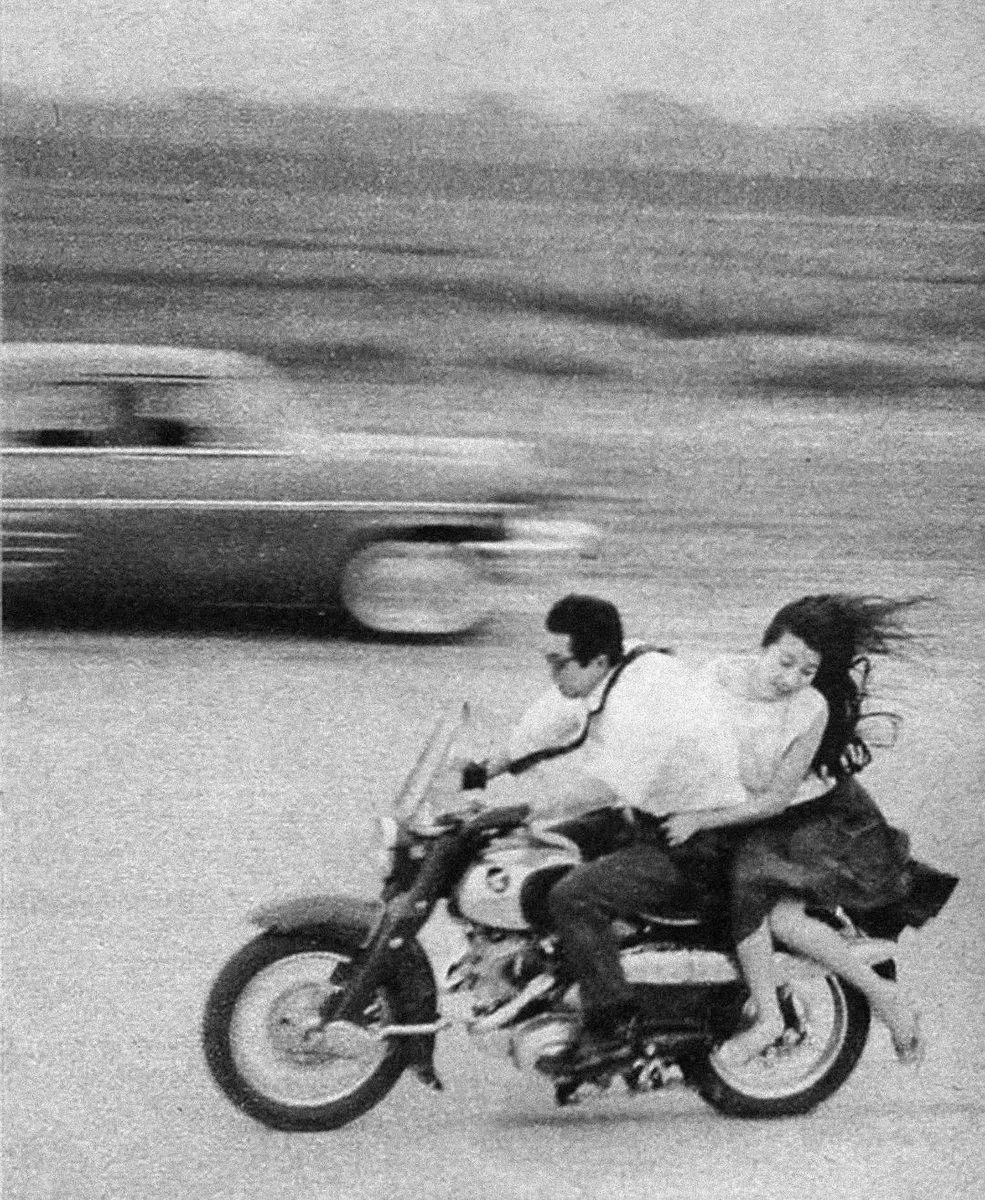
In the 1950s, post World War 2, many returning Japanese soldiers were disillusioned by the collapse of imperial Japan and overwhelmed by the rapid Westernization of their society. Many of these Japanese soldiers looked to the motorcycle as both a symbol of speed and freedom. These young men saw motorcycles as both an escape and sense of control in the chaotic post-war Japan.
The ability to race and ride in formation was appealing to the young enthusiasts, sparking up groups of riders across Japan that would ride, race and engage in group activities all based around their motorcycles. These riders became known to the public as the カミナリ族 (Kaminarizoku). At this time these riders were still enjoying the thrill of their factory spec machines and the freedom of being on two wheels.
Part 2: The Rider Split
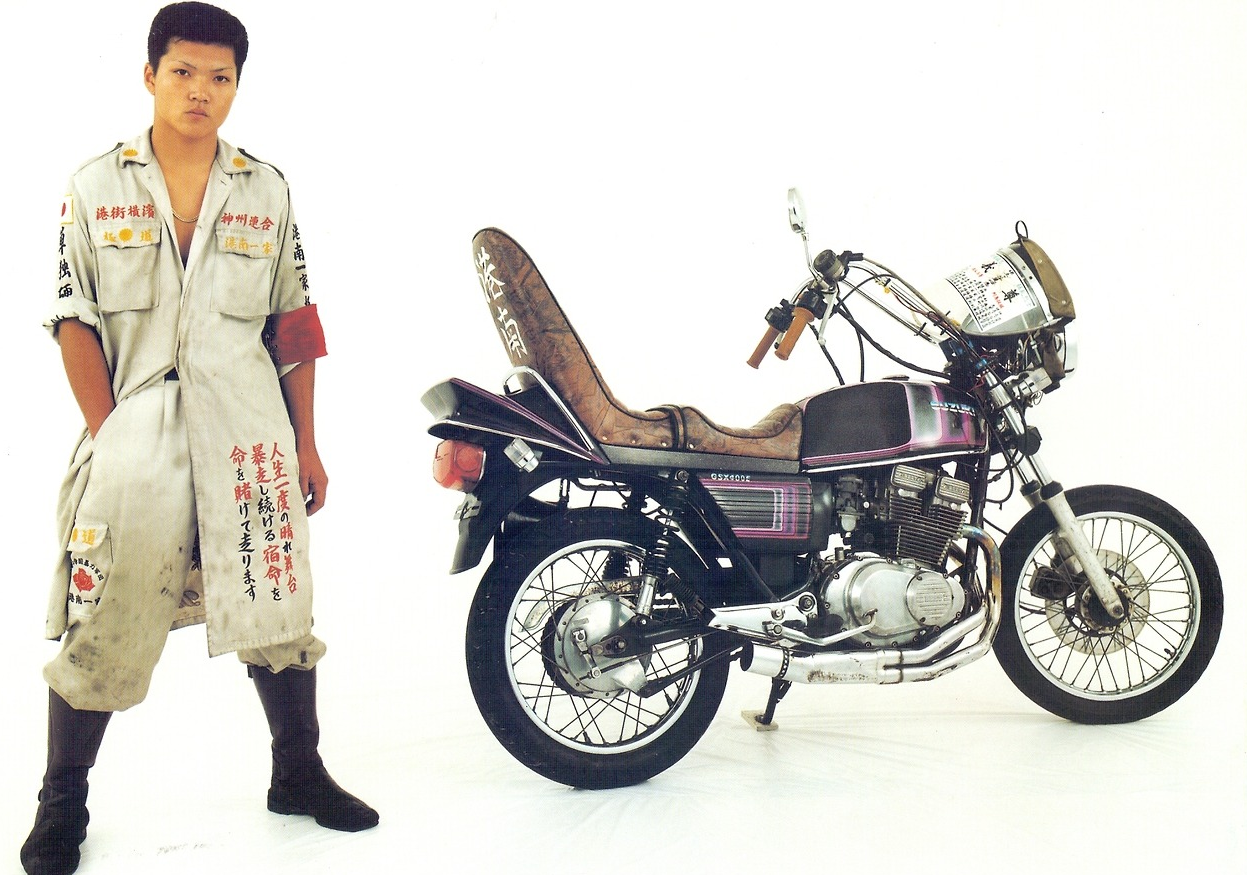
By the 1970s, the motorcycles had gotten faster and motorcycle modifications had now come into play. This is the era where the “Kaminarizoku” began to die out as it was essentially split into two branches;暴走族 (Bōsōzoku) and ローリング族(Rōringuzoku). The Bōsōzoku was mostly composed of young riders who enjoyed the spectacle of riding their motorcycles and it’s associated criminal aspect. The Bōsōzoku often rode bikes that prioritized style and sound over performance and their riders were known for being involved in gang activities. The other branch would become known as the Rōringuzoku. These were the riders who enjoyed the speed, skill and pursuit of rider development. This era marked the division of riders and is the earliest realization of Nirin Hashiriya.
Part 3: Hashiriya
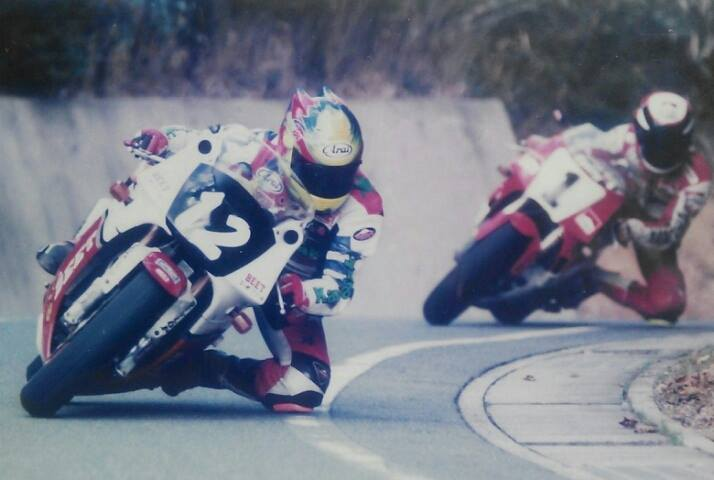
By the 1980s, a new breed of rider emerged, adopting the name 二輪走り屋 (Nirin Hashiriya) or simply 走り屋(Hashiriya) to distinguish themselves from the street-brawling Bōsōzoku. Their sole obsession was speed, which they pursued by isolating themselves on winding mountain passes, known as 峠 (touge), to avoid police and civilian traffic. These passes became the ultimate proving ground, defining a rider's skill by their cornering proficiency, and the ability to master both lead and follow chase roles. This intense focus coincided with the release of the modern Japanese sports bikes, street-legal race-replica platforms, perfectly equipped for attacking the touge. Idolizing professional programs, like MotoGP Japan, these young enthusiasts made these bikes their weapon of choice. Due to strict licensing and age requirements, most Hashiriya rode bikes of 400cc or less, whose superior power-to-weight ratio made them ideal for carving the tightly wound touge.
Part 4: Peak Hashiriya Era and
Bari Bari Machine
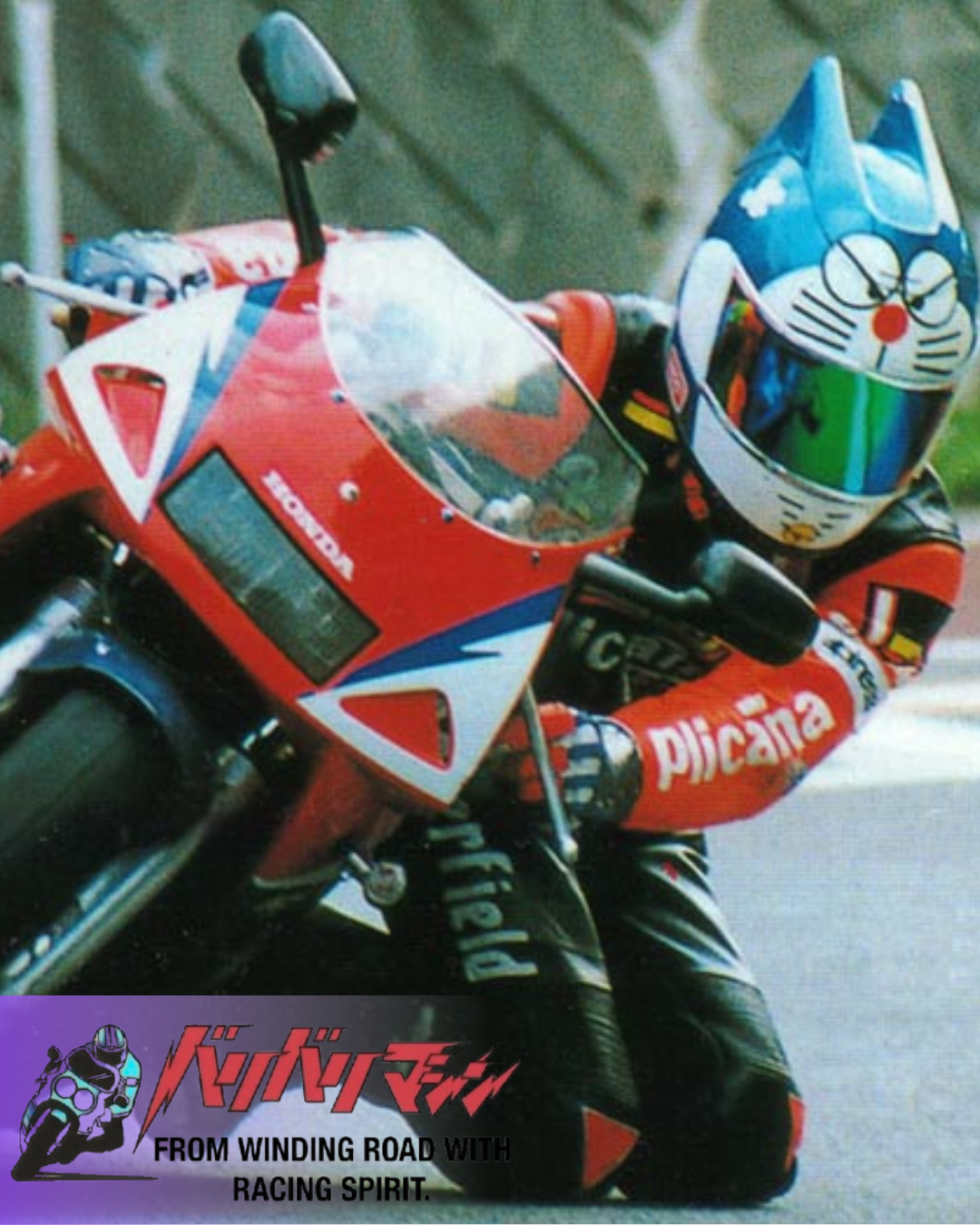
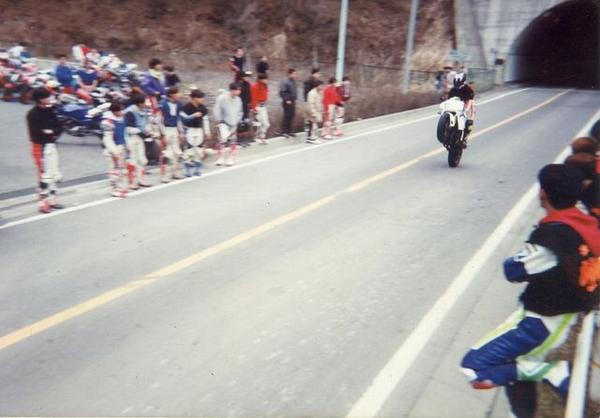
By the late 1980s, Hashiriya was booming! Mountain passes filled with adrenaline as the street racing scene went mainstream, pushing average runner speeds into terrifying new territory. During this era you saw the increase of safety gear. Every rider now wore 1 or 2 piece leather track suits, leather gauntlets, motorcycle boots and Arai or Shoei helmets. The solo street warrior was replaced by the Street Racing Team. These tight-knit crews formed to challenge each other, sharpen skills, and organize high-stakes team battles. While their riding gear was for safety, the team uniform was for pure street cred. Teams rocked distinct stickers and custom-embroidered sweatshirts, a cheaper alternative to stitching logos onto leathers. The impact of this illegal speed culture was massive, and Japan took notice. Leading the charge, immortalizing the raw aggression and style of these riders was the iconic magazine Bari Bari Machine.
Bari Bari Machine would release unique issues that contained photos and articles of the different riders and teams. These articles would cover the rider's skills, bike build and style.
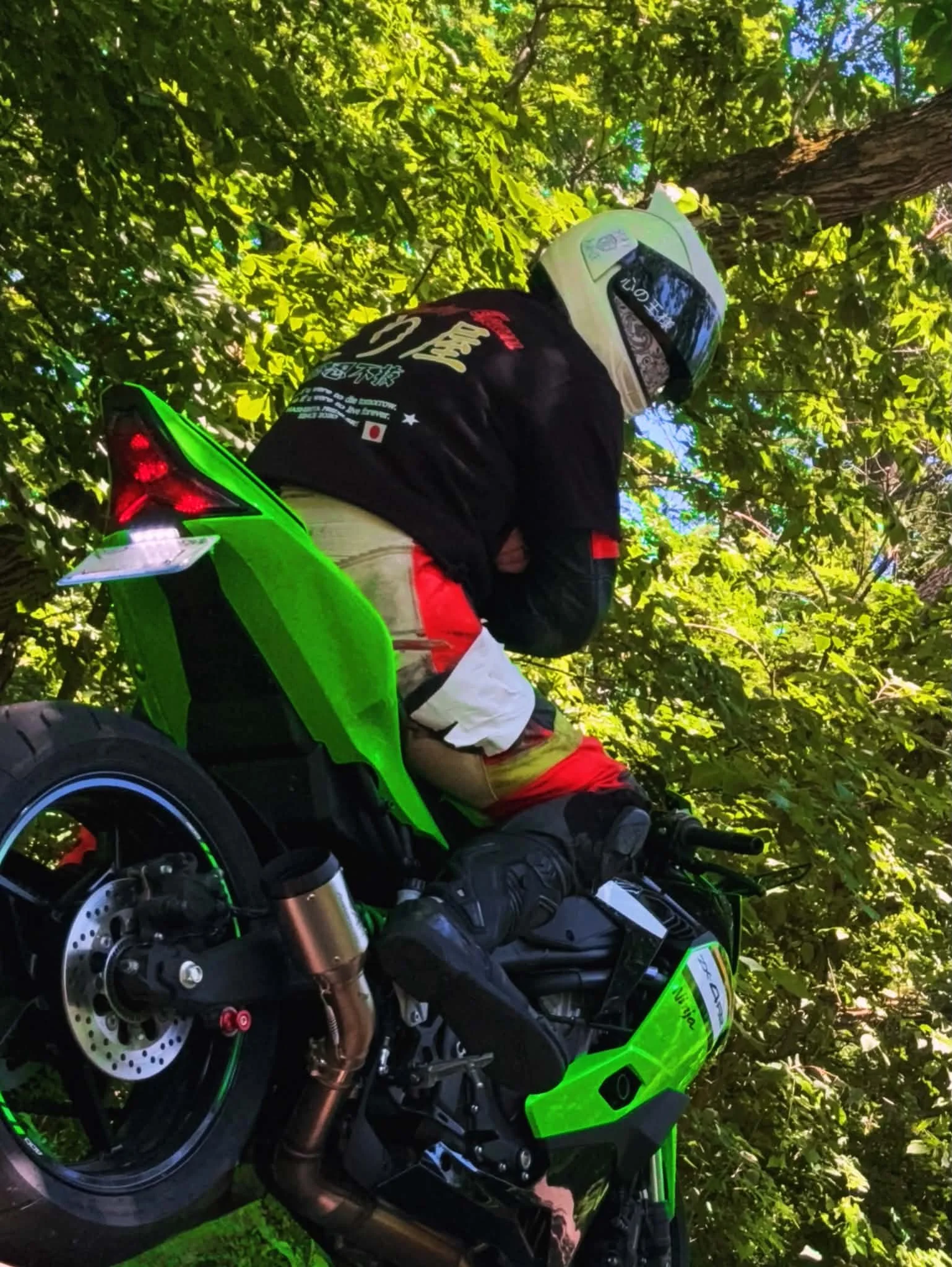
In the 1990s, because of the increased pressure of having media now in the mountains with riders, the riders pushed themselves even further to stand out. Speeds increased and the birth of the radical and wild Hashiriya Style emerged. Street Racers began painting their motorcycles with vibrant colors and designs and even began decorating themselves as well with stickers and painted helmets. This is the era when we saw the rise in popularity of the famous “Cat Ear” helmet diffusers. Both riders and motorcycles alike saw increasingly crazier styles and performance modifications through the rest of the 1990s.
Part 5: The Decline of Hashiriya
The early 2000s is where Japan started to see a decline of motorcycle street racers. This was in part due to a large number of the riders aging out of motorcycles and moving onto owning passenger vehicles.
In addition, the economic hardship made the very tools of the sport, high-performance motorcycles and the essential modification parts, increasingly expensive, effectively closing the door on the dreams of young aspiring racers.
The most definitive measure, however, was the revised 2004 Road Traffic Act. It cast a long shadow over the scene, introducing increased traffic penalties that turned an exciting risk into a devastating gamble. Piece by piece, these factors dismantled the structure that had supported the Golden Era of Hashiriya, leaving behind the memory of speed and freedom that could no longer be sustained.
Part 6: Modern Hashiriya
Despite all the risks, this intense style of street racing survives, maintained by a dedicated and resilient core of riders across Japan. They are the torchbearers, keeping the illegal sport alive by mastering the touge. These riders meticulously style their machines to capture the raw aesthetic that once dominated magazines like Bari Bari Machine. Perhaps even more encouraging, the Hashiriya style has gone global since the 2010s, with a number of Hashiriya popping up across the world. A powerful homage to the Japanese riders of the 80s and 90s who continue to inspire speed to this day and years to come...
Learn some Important Japanese Terms surrounding Hashiriya, the types of machines they use and what Hashiriya Motorcycles are available in the US.